Seven-Year Community Empowerment Project Shows Significant Changes in Mayadevi
Mayadevi, Rupandehi — March 2026: A final evaluation of the Empowerment for Transformation of Marginalised Communities Project has documented significant changes in women’s empowerment, livelihoods, financial management, health practices and community participation across Mayadevi Rural Municipality in Rupandehi.
The seven-year project, implemented by Partnership for New Life (PNL) with support from Tearfund Australia, worked in Wards 1, 2 and 3 through 20 Self-Help Groups (SHGs). The project directly involved 775 participants and also supported adolescent groups, Child Clubs and a group for people with disabilities.
Evaluation captures 887 outcomes and influences
The evaluation used an Outcome Harvesting approach, focusing on changes experienced by community members rather than only measuring project activities.
The evaluation team engaged with 267 project participants, including 203 women from Self-Help Groups, members of Child and Youth Clubs, adolescent girls and members of the Disabled People’s Group. A total of 46 outcome stories were collected, producing 887 coded outcomes, influences and relationships.
Four major themes emerged from the evaluation: training and skills development; self-confidence, dignity and pride; savings and financial management; and healthy living, hygiene and healthy thinking.
Women report increased confidence and participation
One of the most visible changes identified by the evaluator was increased self-confidence, dignity and pride among women.
The report describes women who previously had limited opportunities to speak publicly or interact outside their homes now participating in community activities, communicating with local government offices, advocating for their needs and operating small businesses.
The evaluation found that self-confidence was closely associated with the ability to speak in front of others, read and write their names, participate in community activities and feel respected within their communities.
Savings groups strengthen household livelihoods
Savings and financial management was the most frequently mentioned outcome, appearing 66 times in the outcome stories.
According to the evaluation, Self-Help Groups gave women access to savings and loans that could be used for agricultural activities, household needs and small businesses. Monthly savings in several groups grew from initial contributions of around NPR 20–50 to NPR 200–500.
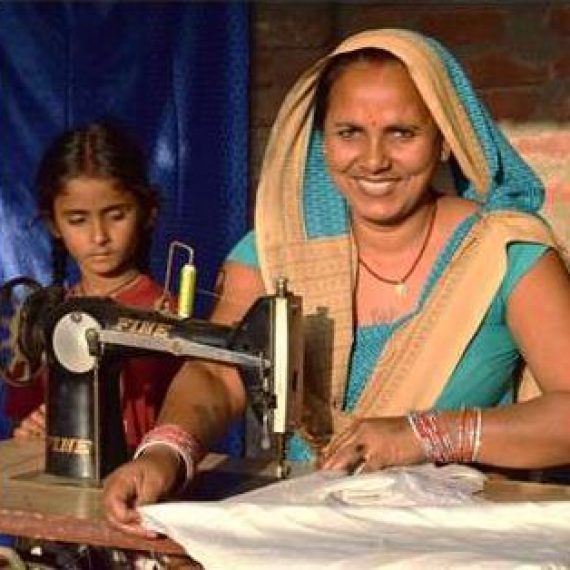
The report also notes that around 75% of SHG members were running home-based income-generating activities, including poultry and vegetable farming, sewing and tailoring, and livestock rearing, according to the project’s annual report.
For some families, the benefits extended beyond income. One example in the evaluation describes a family using savings distribution to connect electricity to their home, helping children study and improving household living conditions.
Health and hygiene practices improve
Health and hygiene training was an important entry point for PNL’s work in the communities.
The evaluation recorded 35 mentions of healthy living, hygiene and healthy thinking. Participants described changes including improved handwashing, toilet use, safer drinking water practices and cleaner surroundings.
The report says participants associated these changes with less sickness, lower spending on medicine, improved school attendance among children and fewer interruptions to agricultural work.
In one community, members of Pashupathinath SHG successfully acted to stop a plastic factory from dumping truckloads of plastic waste near their village. The group worked with the wider community and reported that the village subsequently became cleaner.
Community relationships are changing
The evaluation also found changes extending beyond individual households.
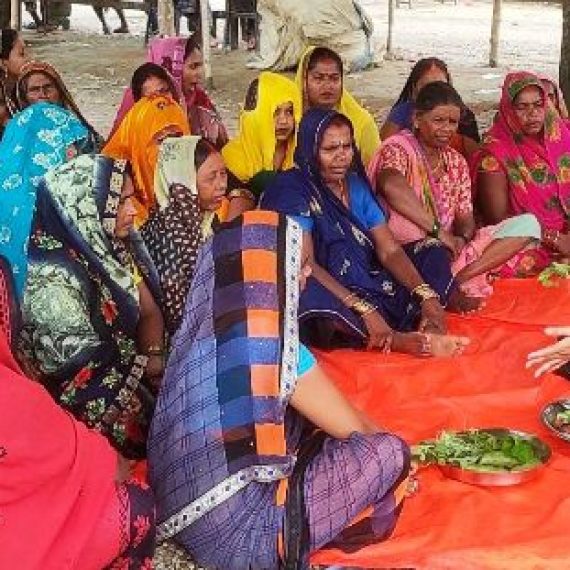
Participants described Self-Help Groups as places for support, sharing, problem-solving and belonging. The report documents stronger relationships between neighbours, families, community groups and local government.
Women also reported greater involvement in community decision-making. Some group members stood for Ward elections, while others participated in community initiatives involving roads, bridges and other local infrastructure.
The relationship between the groups and local government has also strengthened. According to the evaluation, government representatives now contact the SHG Network or group leaders about training, financial support and other services, while group members increasingly raise their own concerns with government officials.
New opportunities for women and girls
The evaluation identified changes in attitudes and behaviours concerning the education of girls and boys.
According to the report, families increasingly provide daughters and sons with similar educational opportunities, while early marriage was reported as no longer being practised in the communities visited by the evaluation team. The report also cites the Kishori and Youth Groups as contributors to these changes.
What comes next?
As the seven-year project moves toward completion, the evaluation highlights sustainability as an important next step.
The report recommends strengthening leadership within the Self-Help Groups, developing succession plans for group leaders, improving group monitoring and continuing to strengthen links with government and other resource providers. It also recommends greater inclusion of people with disabilities within the wider Self-Help Group movement.
The evaluator also recommends that PNL increasingly act as a supporter rather than a facilitator, allowing mature groups to take greater responsibility for their own meetings, planning, implementation and monitoring.
A continuing community-led journey
The evaluation concludes that the project’s changes extend beyond individual skills or financial improvements. It identifies changes in confidence, relationships, participation, health practices, livelihoods and engagement with local government.
At the centre of this process have been the Self-Help Groups, which have provided a platform for women and other community members to develop skills, save money, access resources, support one another and take a more active role in community life.
The final evaluation provides a record of seven years of community-level change while also identifying the leadership, inclusion and local networks that will be important as PNL moves toward the project’s phase-out.